

Google Analytics for Beginners: Your Complete Guide to Understanding Website Data in 2026

Imagine being able to see exactly who visits a website, where they come from, what pages they love, and what makes them leave. That is the superpower Google Analytics gives you, and it is completely free. Whether you want to grow your own online business or get hired by companies that need this skill, learning Google Analytics in 2026 is one of the smartest moves you can make.
If you are a beginner in Nigeria or anywhere in Africa looking to build real tech skills that pay, you are in the right place. Google Analytics is in high demand, and the best part is that you do not need a coding background or a university degree to learn it. All you need is curiosity and a willingness to follow along. Let us break it down step by step.
What Is Google Analytics and Why Should You Care?
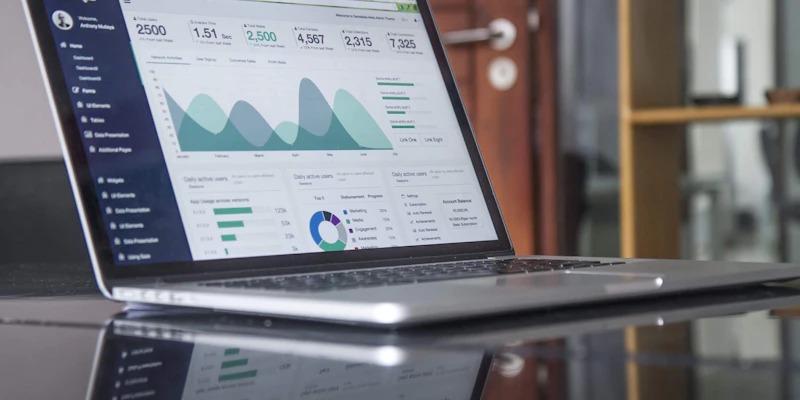
Google Analytics is a free tool created by Google that helps you track and understand how people interact with a website. It collects data every time someone visits a site and organizes that information into easy-to-read reports. Think of it as a behind-the-scenes camera that shows you the full picture of what is happening on any website.
Now, you might be wondering why this matters to you. Here is the thing: in 2026, almost every business with a website needs someone who can read and interpret data. From small businesses in Lagos to e-commerce stores in Nairobi, companies are willing to pay for people who understand analytics. This skill can help you land freelance gigs, remote jobs, or even grow your own side hustle.
Here are just a few things Google Analytics can tell you:
- How many people visit a website daily, weekly, or monthly
- Which countries or cities those visitors come from
- Which pages on the site are the most popular
- How long people spend on each page before leaving
- Whether visitors come from Google search, social media, or direct links
- What percentage of visitors take a desired action, like making a purchase or signing up
Understanding this data is what separates people who guess from people who grow. Businesses do not want guesses. They want decisions backed by real numbers, and Google Analytics provides exactly that.
Getting Started: Setting Up Google Analytics Step by Step

Setting up Google Analytics is easier than most people think. Google currently uses Google Analytics 4, commonly called GA4, which is the latest version of the platform. If you have a Google account (like a Gmail address), you are already halfway there. Let us walk through the process.
First, go to analytics.google.com and sign in with your Google account. Click on the "Start measuring" button to create your first Analytics account. You will be asked to give your account a name. This can be your business name, your personal brand, or anything that helps you stay organized.
Next, you will create what Google calls a "property." A property is basically the website or app you want to track. Enter your website URL, select your time zone and currency (you can choose West Africa Time and Nigerian Naira, for example), and click through the setup prompts.
The final step is installing a small piece of tracking code on your website. Google gives you a code snippet called a "Google tag" that you paste into the header section of your site. If you use platforms like WordPress, Shopify, or Wix, there are simple plugins and built-in fields that make this painless. You do not need to know how to code.
Once the tag is installed, Google Analytics starts collecting data immediately. Within 24 to 48 hours, you will begin seeing your first reports. It is that straightforward.
Understanding the Key Reports Every Beginner Should Know
When you first log into GA4, the dashboard can feel overwhelming with all its numbers, graphs, and menus. Do not panic. You do not need to master everything at once. As a beginner, focus on these key report areas:
The Realtime Report shows you what is happening on your website right now. You can see how many people are currently active on the site, which pages they are viewing, and where they are located. This report is exciting because it gives you instant feedback, especially useful when you share a link on social media and want to see if people are clicking.
The Acquisition Report answers the question, "How are people finding my website?" It breaks traffic down into channels like organic search (people who found you through Google), direct traffic (people who typed your URL), social media, referral links from other websites, and paid advertising. Knowing where your visitors come from helps you focus your marketing efforts on what actually works.
The Engagement Report tells you what people do once they land on your site. You can see which pages get the most views, how long people stay, and which pages have the highest bounce rate (meaning people leave quickly without exploring further). This is gold for improving your content and user experience.
The Demographics Report gives you insight into who your audience is, including their age range, gender, country, and even the language their browser is set to. For anyone selling products or services to a specific audience, this data is incredibly valuable.
- Start with Realtime to confirm your tracking code is working
- Check Acquisition weekly to understand your traffic sources
- Review Engagement to find your best and worst performing pages
- Use Demographics to make sure you are reaching your target audience
How to Turn Google Analytics Knowledge Into Real Income
Learning Google Analytics is not just about understanding charts. It is about turning that knowledge into money. In 2026, there are multiple paths you can take with this skill, and many of them are perfectly suited for someone working remotely from Nigeria or anywhere in Africa.
Freelancing is one of the most accessible entry points. Platforms like Upwork, Fiverr, and even LinkedIn are full of clients who need someone to set up Google Analytics, create monthly traffic reports, or analyze data to improve their marketing. Many of these gigs pay between $20 and $100 per task, and as you build your reputation, you can charge even more.
If you already run a blog, YouTube channel, or online store, Google Analytics helps you understand what your audience loves so you can create more of it. Instead of creating content and hoping it works, you use real data to guide your decisions. This is how small online businesses in Africa scale into full-time income streams.
You can also combine Google Analytics with other digital marketing skills like SEO, social media marketing, or Google Ads to offer a complete package to clients. Businesses love working with someone who can not only run campaigns but also measure and prove the results. That combination makes you extremely valuable in the job market.
Another great option is getting the Google Analytics Individual Qualification, a free certification from Google. Having this credential on your CV or freelance profile instantly builds trust with potential clients and employers. It tells them you know your stuff.
The bottom line is this: data skills are in demand everywhere, and Google Analytics is the perfect starting point. You do not need expensive tools, a fancy degree, or years of experience. You just need to start learning, practice with a real website, and keep going.
Ready to Learn This Skill?
Start building real tech skills today on Casetech.


